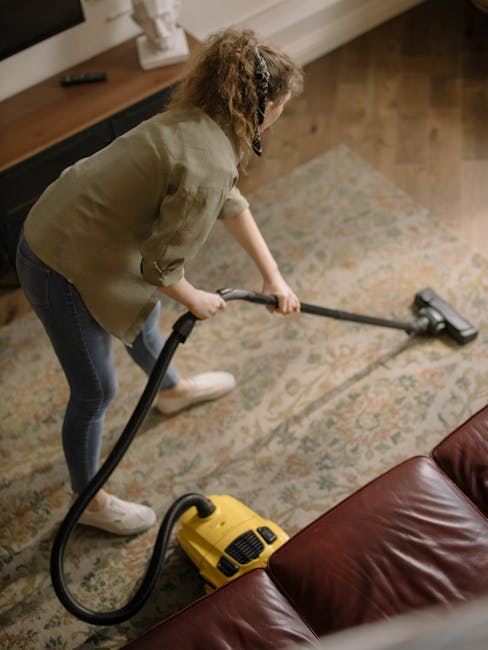
Carpet cleaning N4 common stains mistakes to avoid
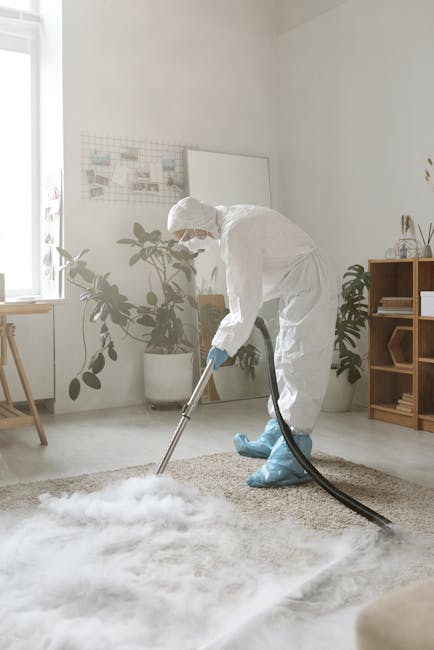
Spilled tea on the lounge carpet, a bit of red wine at dinner, muddy footprints after a wet North London afternoon - it happens fast, and usually when you least want it to. The tricky part is not the stain itself. It is the well-meaning mistake that follows. This guide to Carpet cleaning N4 common stains mistakes to avoid breaks down what goes wrong, why it matters, and how to handle everyday carpet stains without making them worse. If you live in N4 or manage a property nearby, you will find practical, no-nonsense advice here that saves time, protects fibres, and helps you decide when a careful DIY approach is enough and when it makes sense to bring in a professional.
Truth be told, carpet cleaning can look simple right up until the stain starts spreading. Then the panic sets in. Let's slow that down and deal with it properly.
- Why it matters
- How it works
- Key benefits and practical advantages
- Who this is for and when it makes sense
- Step-by-step guidance
- Expert tips for better results
- Common mistakes to avoid
- Tools, resources and recommendations
- Law, compliance, standards, or best practice
- Options, methods, or comparison table
- Case study or real-world example
- Practical checklist
- Conclusion
- Frequently asked questions
Why Carpet cleaning N4 common stains mistakes to avoid Matters
Most carpet stains do not become disasters because of the spill alone. They become disasters because of the response. A coffee splash can be lifted quite neatly if you act calmly, but the same spill can turn into a larger brown patch if you scrub hard, over-wet the pile, or use the wrong cleaner. That is especially true on wool, blended fibres, or older carpets where dye stability is not always predictable.
In N4 homes, you often see the same pattern: hallways pick up outdoor grit, living rooms get food and drink marks, and bedrooms suffer from makeup, lotions, or tracked-in dirt. If you own or rent a property, a bad stain removal attempt can also leave a watermark, texture change, or bleaching that is far more noticeable than the original mark. Annoying, yes. Avoidable, also yes.
Good carpet care is not about being precious. It is about understanding how fibres, moisture, and cleaning agents interact. Once you know the common mistakes, you can protect the carpet instead of accidentally damaging it.
How Carpet cleaning N4 common stains mistakes to avoid Works
At a practical level, carpet stain removal works in stages: identify the stain, choose the right method, control moisture, and lift the residue without spreading it. Different stains behave differently because they are made of different stuff. Food stains may contain oils, protein, sugar, or colourants. Mud behaves differently from wine. Ink behaves differently from pet accidents. That is why one-size-fits-all advice often falls apart.
The best approach is usually gentle and methodical. Start by removing loose material, test any cleaner in an inconspicuous area, work from the outside of the stain inward, and blot instead of rubbing. If a stain is stubborn, you often get better results by repeating a mild process than by attacking it with a stronger product straight away.
Professional carpet cleaning in many North London homes often combines pre-treatment, agitation, and extraction, which helps remove residue from deeper in the pile. If you are weighing whether to do it yourself, you can compare that with professional carpet cleaning or a more general deep cleaning service for situations where the stain is part of a bigger build-up of dirt.
Key Benefits and Practical Advantages
Getting stain removal right has benefits that go beyond appearance. A cleaner carpet usually smells fresher, feels better underfoot, and tends to wear more evenly. It also makes a room feel more looked after. You notice it the moment you walk in. Small things, but they matter.
- Less permanent damage: Correct treatment reduces the chance of fibre distortion, colour loss, or ring marks.
- Better hygiene: Food, drink, and pet stains can leave residue that attracts more soil over time.
- Longer carpet life: Dirt left in the pile acts a bit like sandpaper, especially in busy rooms.
- Improved appearance: Removing stains properly keeps the texture more consistent across the room.
- Lower stress: Once you have a plan, you stop guessing and start cleaning with confidence.
For landlords, tenants, and busy households, there is another benefit that gets overlooked: fewer panic-cleaning attempts the night before an inspection or guest visit. That alone is worth something.
Who This Is For and When It Makes Sense
This guide is for anyone dealing with common carpet stains in an N4 home or workspace: families with children, pet owners, renters preparing for an end-of-tenancy clean, homeowners, and even office managers looking after reception areas or communal carpets.
It makes sense to use these tips when the stain is fresh, the carpet is in decent condition, and you are reasonably confident about the fibre type. It also makes sense when you want to prevent a small spill from becoming a larger cleaning problem. On the other hand, if the stain is old, has already been scrubbed, or sits on a delicate carpet, caution wins. Every time.
It can also help if you are coordinating wider home care. For example, a stain on a carpet may be part of a bigger cleaning day that includes sofa cleaning, upholstery cleaning, or even rug cleaning. Keeping the fabric care approach consistent across the home usually leads to better results.
Step-by-Step Guidance
Below is a straightforward process you can follow for most everyday carpet stains. It is not fancy, but it works far better than panic and elbow grease.
- Act quickly, but do not rush blindly. The first minute matters, but so does the method. If the spill is wet, stop it from spreading first.
- Remove solids gently. Use a spoon or dull edge to lift crumbs, mud, or food bits. Do not push them deeper into the pile.
- Blot with a clean white cloth. Press lightly to lift moisture. Swap cloth sections often so you are not transferring the stain back.
- Test a small hidden area. This is boring, I know, but it can save a carpet from colour loss or fibre damage.
- Use the mildest suitable solution. A little warm water or a carpet-safe cleaner is often enough. Start gentle.
- Work from the outside inward. That helps prevent the stain from growing into a wider halo.
- Repeat patiently. A few gentle passes are safer than one aggressive scrub.
- Rinse lightly if needed. Residue left behind can attract more dirt later.
- Dry properly. Use ventilation, open windows if sensible, and avoid heavy foot traffic until the area is fully dry.
If the stain is still there after careful treatment, stop before you overdo it. At that stage, the risk of permanent marking starts climbing.
What changes by stain type?
Different stains need slightly different thinking. Coffee and tea often respond to blotting and mild solution. Wine may need immediate absorption before it sets. Greasy stains can spread if you use too much water. Mud should be allowed to dry before removal, otherwise you just smear it around. Pet accidents need both stain and odour control, and that second part is easy to forget.
It sounds obvious once you say it, but not every stain wants the same treatment. That is where many DIY attempts go sideways.
Expert Tips for Better Results
Here is the bit that saves people most frustration. Small adjustments make a big difference.
- Use white cloths, not coloured towels. Dye transfer is a real nuisance on light carpets.
- Keep water use low. A damp approach is usually safer than soaking the area.
- Be careful with heat. Hot water can set some stains, especially protein-based ones.
- Check the carpet fibre. Wool, synthetic, and blended carpets do not behave the same way.
- Lift, don't grind. Pressure should be controlled, not forceful.
- Finish with drying time. Even a well-cleaned patch can look worse if it stays wet for too long.
If you have ever stared at a carpet wondering why a stain got bigger after cleaning, it is usually because too much liquid was used or the stain was scrubbed outward. That is the classic little trap.
Expert summary: The safest carpet stain removal method is usually the simplest one: remove solids, blot gently, use the least aggressive cleaner that might work, and dry the area thoroughly. If you skip the force, you usually get better results.
One more thing. When in doubt, pause. A five-minute pause before applying a product is much better than twenty minutes of regret later.
Common Mistakes to Avoid
This is the heart of the topic. If you avoid these errors, your results improve dramatically.
1. Scrubbing the stain like mad
Scrubbing pushes dirt deeper into the fibres and can distort the pile. It also spreads liquid outward, which creates a larger patch than you started with. Gentle blotting nearly always beats aggressive rubbing.
2. Using too much water
Over-wetting can lead to slow drying, wicking, and even odour. Wicking is when dirt or stain rises back to the surface as the carpet dries. It is frustrating because the carpet may look clean, then suddenly not.
3. Reaching for the strongest chemical first
Bleach, harsh degreasers, and strong spot cleaners can damage fibres or strip colour. Stronger is not always better. In fact, it often is not.
4. Forgetting to test first
Testing a small hidden area takes almost no time and can prevent a visible disaster. Especially on patterned carpets or older fibres, it is worth the tiny delay.
5. Rubbing from the centre outward
This common instinct spreads the stain. Clean from the outer edge inward so the mark stays contained.
6. Using coloured cloths or dirty sponges
That just adds new problems. A clean white cloth is safer and lets you see what you are lifting.
7. Leaving residue behind
Soap residue can attract more dirt, which means the spot becomes a magnet for future marks. Light rinsing, done carefully, helps avoid that.
8. Trying to treat an old stain the same way as a fresh spill
Old stains are usually set, oxidised, or partially damaged already. They need a different pace and often more specialised treatment.
Let's face it, most bad carpet cleaning results are not caused by one huge mistake. They are caused by three small ones in a row.
Tools, Resources and Recommendations
You do not need a cupboard full of products to deal with common stains. A sensible, simple kit is often enough.
| Tool or item | What it helps with | Why it matters |
|---|---|---|
| White microfibre cloths | Blotting spills and lifting residue | They show transfer clearly and reduce dye transfer risk |
| Spoon or blunt scraper | Lifting solids like mud or food | Prevents pushing debris deeper |
| Spray bottle | Applying a small, controlled amount of solution | Helps avoid over-wetting |
| Carpet-safe spot cleaner | Treating light to moderate stains | Useful when plain water is not enough |
| Dry white towel | Final pressing and moisture removal | Speeds drying and reduces wicking |
| Fan or ventilation | Drying the area after treatment | Helps prevent damp smell and reappearing stains |
For bigger jobs, or when the carpet has general dullness as well as staining, it can be more efficient to look at carpet cleaning help as part of a wider one-off cleaning visit. If you are comparing costs or planning ahead, pricing and quotes is a sensible place to start.
There is also a practical trust angle here. A professional company should be clear about insurance and safety, and it should follow a transparent health and safety policy. That kind of basic openness matters, even for a simple carpet job.
Law, Compliance, Standards, or Best Practice
For most homeowners and tenants, carpet stain removal is not a heavily regulated activity in itself. Still, there are sensible UK best-practice expectations worth following. Cleaning products should be used according to the manufacturer's instructions, ventilation should be considered in enclosed rooms, and any work involving shared buildings or rented properties should respect building rules and tenancy obligations.
If you are a landlord, managing agent, or tenant at the end of a tenancy, evidence of reasonable care matters. Carpet damage caused by misuse of cleaning products can become a dispute, and that is never fun. A cautious, documented approach is usually the best route: keep product labels, take before-and-after photos, and avoid risky treatments that could worsen the condition of the carpet.
In commercial settings, best practice also includes protecting walkways, limiting slip risk while carpets dry, and making sure the area is safe for people coming and going. Common sense, really, but easy to overlook when everyone is busy.
Options, Methods, or Comparison Table
Different stain-removal approaches suit different situations. Here is a simple comparison that may help you decide what to try first.
| Method | Best for | Pros | Watch out for |
|---|---|---|---|
| Blotting with water | Fresh spills, light marks | Safe, quick, low risk | May not remove oily or set stains |
| Mild carpet cleaner | Common household stains | More effective than water alone | Test first; avoid overuse |
| Repeated gentle treatment | Stubborn but treatable marks | Reduces damage risk | Needs patience |
| Professional carpet cleaning | Old stains, large areas, delicate carpets | Deeper cleaning, better extraction | Costs more than DIY, but can save the carpet |
For heavily used rooms, especially if the carpet also needs refreshing after decorating, moving furniture, or tenancy turnover, professional help can be more efficient than trying to rescue one patch at a time. In those cases, end of tenancy cleaning or broader domestic cleaning support may make more sense than spot cleaning alone.
Case Study or Real-World Example
Picture a fairly typical N4 living room on a Friday evening. Someone spills tea on a beige carpet after the kettle has barely cooled. The first reaction is to rub the spot with a kitchen towel. Then more water gets poured on. Then a detergent is added because, well, why not. By the time the patch dries the next morning, there is a faint ring, the fibre looks flattened, and the stain has become more visible than before.
Now compare that with a calmer approach. The spill is blotted immediately with a dry white cloth, the area is tested in a hidden corner, and a very small amount of suitable cleaner is applied. No scrubbing. No soaking. The patch is pressed dry and left to air with good ventilation. In many cases, that kind of approach keeps the stain smaller and less noticeable, even if it does not vanish completely at once.
This is the part people do not always hear: success is often about damage control, not perfection. A cleaner, flatter, less obvious mark can be a very good outcome. Not every stain needs a dramatic rescue scene.
Practical Checklist
Use this checklist before you clean a carpet stain at home:
- Identify the stain type if you can: food, drink, mud, grease, pet accident, ink, or something else.
- Act quickly, but do not scrub.
- Remove solids gently before adding liquid.
- Use a clean white cloth for blotting.
- Test any cleaner on a hidden section first.
- Start with the mildest method that is likely to work.
- Work from the outside of the stain inward.
- Use as little moisture as possible.
- Lift residue rather than rubbing it around.
- Allow the carpet to dry fully before walking on it.
- Stop if colour starts to transfer or the fibres look damaged.
- Consider professional cleaning for old, large, or delicate stains.
If you are dealing with more than one textile item, it can help to think in terms of the whole room. A carpet stain, a sofa mark, and a rug spill often come from the same kind of everyday mess, so the same careful habits usually help across the board.
Conclusion
Carpet stains are rarely the real problem. The real problem is the wrong response: too much water, too much force, or the wrong product at the wrong time. Once you understand the most common mistakes, carpet care becomes much less stressful and a lot more predictable. That is the core of Carpet cleaning N4 common stains mistakes to avoid - not miracle tricks, just better habits and a steadier hand.
Whether you are dealing with tea, mud, wine, or an unfortunate pet accident, the same principle applies: be gentle, test first, and dry thoroughly. If the stain is stubborn or the carpet is delicate, there is no shame in stepping back and getting help. Sometimes the smartest move is simply not making it worse.
Get a free quote today and see how much you can save.
And if you do nothing else after reading this, remember one thing: slow down for thirty seconds before you touch the stain. That tiny pause can save a very annoying afternoon.
Frequently Asked Questions
What is the biggest mistake people make when cleaning carpet stains?
The biggest mistake is usually scrubbing. It spreads the stain, pushes it deeper into the fibres, and can flatten or damage the carpet pile. Blotting is safer.
Should I use hot water on carpet stains?
Not automatically. Hot water can help with some soil, but it can also set certain stains, especially protein-based marks. Lukewarm or cool water is often the safer starting point.
How do I stop a stain from coming back after cleaning?
Avoid over-wetting and make sure the area dries properly. Wicking happens when residue travels back up as the carpet dries, so low moisture and good airflow matter.
Are store-bought carpet cleaners safe for all carpets?
No. Different fibres react differently, and some products are too strong for wool or older carpets. Always test in a hidden area first and follow the label carefully.
Can I clean pet stains the same way as food stains?
Not really. Pet stains often need both stain removal and odour control. If you only clean the visible mark, smells can linger or the spot can attract repeat accidents.
Why does a stain sometimes look worse after I clean it?
That can happen because of over-wetting, rubbing, or residue left behind. A ring or halo may appear once the carpet dries, especially if the soil has moved outward.
When should I call a professional carpet cleaner?
It makes sense to get professional help when the stain is old, large, set in, or on a delicate carpet. It is also sensible if you have already tried cleaning and made the mark bigger.
What is the best first step for a fresh spill?
Blot it immediately with a clean white cloth. Remove any solids first, then work carefully with the smallest amount of liquid needed.
Can I use the same method on rugs and carpets?
Sometimes, but not always. Rugs may have different backings, dyes, or fibres, so it is wise to be even more cautious. If in doubt, treat it as a separate fabric item.
How long should a carpet take to dry after stain removal?
That depends on the amount of moisture used, ventilation, and the room temperature. The main point is to keep it as dry as possible during treatment and allow full drying before heavy use.
Does professional carpet cleaning remove every stain?
Not every stain, no. Some marks are permanent or have already damaged the fibres. But professional cleaning can often reduce visibility, improve texture, and remove residue that DIY methods leave behind.
Is it worth cleaning the whole carpet if only one spot is stained?
Sometimes yes, especially if the carpet is generally dull or has multiple marks. A single patch can stand out more after spot cleaning, so a broader clean may give a more even finish.